
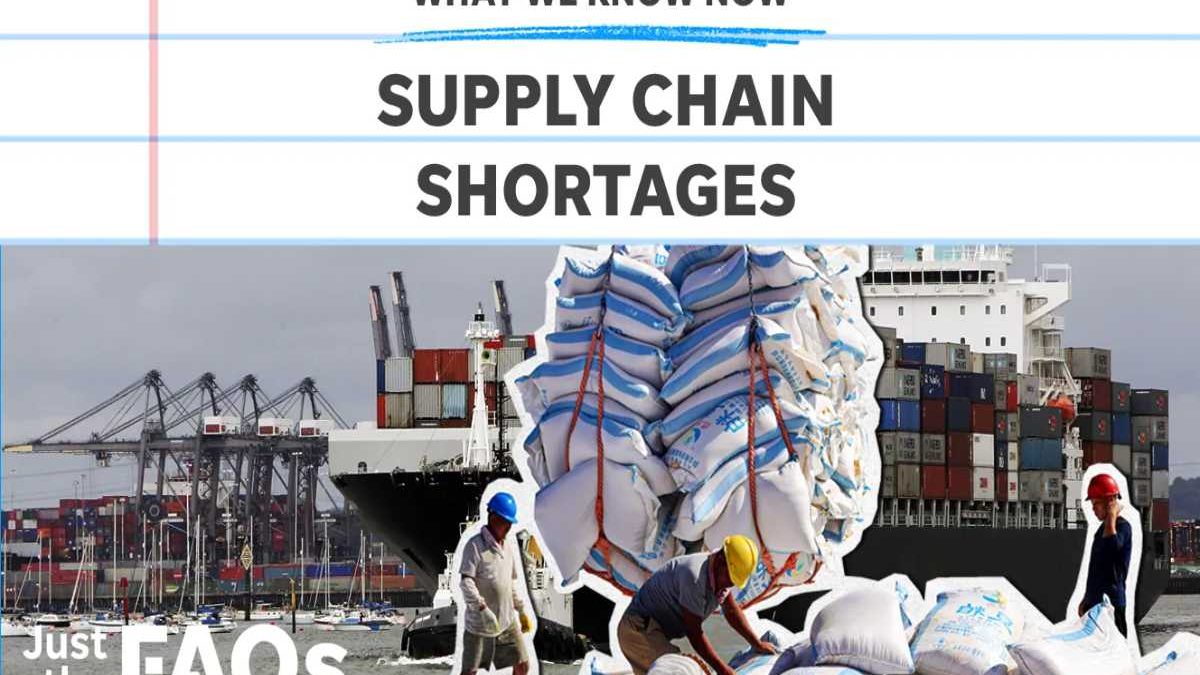

Supply chains play an essential role in the global economy by connecting manufacturers, suppliers, transport companies, retailers and consumers. They ensure that raw materials, components and finished products move from their original locations to businesses and customers. However, disruptions such as pandemics, geopolitical conflicts, labour shortages and transportation problems can interrupt these processes and create supply chain shortages.
The COVID-19 pandemic brought global supply chain problems into the spotlight between 2020 and 2022. Many businesses experienced production delays, shipping congestion and shortages of essential materials. Although supply networks have adapted since then, new challenges involving trade policies, shipping routes, energy supplies and technology components continue to affect international commerce.
Understanding the causes and effects of supply chain shortages can help businesses prepare for unexpected disruptions, manage costs and maintain reliable operations. This article explores the history of the global supply chain crisis, its major causes, its impact on businesses and the current outlook.
Table of Contents
Where Does the Supply Chain Crisis Stand Now?
The global supply chain situation has changed considerably since the disruptions experienced during the COVID-19 pandemic. Many businesses have improved inventory management, diversified suppliers and developed alternative transportation arrangements. However, supply chains remain vulnerable to unexpected economic, political and environmental events.
In 2026, geopolitical tensions, changing trade policies and disruptions to important shipping routes continue to create uncertainty for international businesses. At the same time, demand for artificial intelligence infrastructure, semiconductors and other technology products is influencing global trade patterns.
The World Trade Organization reported in October 2026 that global merchandise trade remained resilient despite geopolitical disruptions, supported partly by strong demand for AI-related goods. It also highlighted differences in trade performance across regions and industries.
Businesses therefore face a mixed environment: international trade continues, but transportation costs, supplier reliability and access to important materials can change quickly. Source: WTO.
For companies, the priority is no longer simply recovering from the pandemic-era crisis. It is developing supply chains that can respond more effectively to future disruptions.
Understanding the Global Supply Chain Crisis of 2021–2022
The global supply chain crisis became particularly serious during 2021 and 2022, following the widespread economic disruption caused by COVID-19.
Manufacturing facilities temporarily closed, workers became unavailable and transportation networks experienced significant delays. At the same time, consumer demand for certain products increased as households changed their purchasing habits.
These developments created an imbalance between product demand and available supply. Goods remained at ports, manufacturers struggled to obtain essential components and retailers found it difficult to maintain sufficient inventory.
The semiconductor shortage was one of the most visible examples. Automotive manufacturers and electronics companies faced difficulties obtaining the chips required for their products. Some manufacturers reduced production or delayed vehicle deliveries because of limited component availability.
Although the most severe pandemic-related disruptions have changed, the experience demonstrated how closely connected global production and distribution networks are.
Major Causes of Supply Chain Shortages
Supply chain shortages rarely happen because of a single problem. They usually result from several connected disruptions that affect production, transportation and distribution.
1. Global Pandemics and Health Emergencies
The COVID-19 pandemic was one of the biggest causes of modern supply chain disruption. Governments introduced restrictions to control infections, and many factories temporarily reduced or stopped operations.
Worker illness, lockdowns and restrictions on movement affected production capacity in several countries. Businesses also faced difficulties obtaining materials from international suppliers.
Manufacturing regions in Asia, Europe and North America experienced different levels of disruption, making it difficult for companies to maintain consistent production schedules.
The pandemic also changed consumer purchasing patterns. Increased demand for home electronics, household products and other goods placed additional pressure on already limited supply networks.
2. Transportation and Shipping Delays
Transportation is a critical part of every supply chain. Products must move between suppliers, factories, warehouses, distribution centres and retailers.
During the 2021–2022 crisis, major ports experienced congestion as large numbers of container ships waited to unload their cargo. Limited terminal capacity, labour shortages and inland transportation delays made the situation worse.
Shipping routes can also be affected by geopolitical tensions, extreme weather and restrictions at important maritime passages.
When ships need to use alternative routes, delivery times can increase and businesses may face higher freight and insurance costs.
3. Shortage of Raw Materials and Components
Manufacturers depend on raw materials and components to produce finished goods. If essential materials become unavailable, production can slow down or stop completely.
Industries such as automotive manufacturing, electronics, construction and healthcare can be particularly affected by shortages of specialised components.
For example, semiconductor chips are used in vehicles, computers, smartphones and industrial equipment. A shortage of these components can affect several industries at the same time.
Businesses that depend on a limited number of suppliers may face greater risks when production is interrupted.
4. Geopolitical Conflicts and Trade Restrictions
International trade depends on stable relationships between countries. Wars, political tensions, sanctions and changing trade regulations can disrupt the movement of goods and materials.
The conflict in Ukraine highlighted the importance of international energy, agricultural and industrial supply networks. More recent geopolitical tensions have also affected shipping routes and energy markets.
Trade restrictions and tariffs can increase import costs, change sourcing decisions and encourage businesses to look for alternative suppliers.
Companies operating across multiple countries must monitor political developments and assess how changes in international trade policies could affect their operations.
5. Labour Shortages
Supply chains rely on workers across several industries, including manufacturing, shipping, warehousing, trucking and retail.
When businesses cannot find enough qualified workers, production and distribution activities may slow down.
Labour shortages can also increase operating costs because companies may need to offer higher wages, overtime payments or additional training.
Businesses should pay attention to employee engagement, training and workforce planning. A structured approach to developing a career plan for your employee can support professional development and help organisations build a more capable workforce.
6. Rising Fuel and Operating Costs
Fuel prices influence the cost of transporting goods by road, rail, sea and air. When energy prices rise, logistics companies may increase their transportation charges.
Manufacturers can also face higher costs for electricity, heating, packaging and raw materials.
These additional expenses may eventually affect wholesale prices and the amount consumers pay for products.
How Supply Chain Shortages Affect Businesses
Supply chain disruptions can influence almost every stage of business operations. Their impact depends on the industry, the materials involved and how much a company relies on international suppliers.
1. Higher Product Prices
When demand exceeds available supply, businesses may struggle to obtain products at their usual prices. Suppliers and transport companies may also increase charges when operating costs rise.
Companies sometimes pass these additional expenses on to customers, contributing to higher retail prices.
2. Production Delays
Manufacturers need a consistent supply of raw materials and components. If an essential item is unavailable, production schedules may be delayed.
Even a shortage of a relatively inexpensive component can interrupt the production of an entire product.
3. Reduced Product Availability
Retailers depend on manufacturers and distributors to maintain sufficient inventory. Delayed deliveries can lead to empty shelves, limited product choices and longer waiting periods for customers.
These issues may affect customer satisfaction and reduce sales opportunities.
4. Financial Pressure on Businesses
Companies may need to spend more on transportation, emergency sourcing, storage and alternative suppliers.
Small businesses can be particularly vulnerable because they may have fewer financial resources and less bargaining power than larger organisations.
5. Changes in Customer Behaviour
When products become expensive or difficult to obtain, customers may delay purchases, choose alternative brands or look for different products.
Businesses need to communicate clearly about delivery schedules, product availability and possible changes in pricing.
The Role of Technology in Managing Supply Chain Disruptions
Technology can help businesses identify supply chain problems, improve communication and make more informed operational decisions.
Digital inventory systems allow companies to monitor stock levels and identify products that may need replenishment. Data analytics can help businesses understand demand patterns and plan purchasing activities.
Other useful technologies include:
- Artificial intelligence: Can support demand forecasting and identify patterns in business data.
- Cloud-based platforms: Help suppliers, manufacturers and distributors share information.
- Internet of Things devices: Can monitor the location and condition of selected shipments.
- Warehouse management systems: Help organise inventory and improve warehouse operations.
- Automation: Can reduce repetitive tasks and support faster order processing.
Technology adoption is also part of a wider organisational development process. Businesses can explore how to build an employee engagement strategy to help employees understand operational changes, communicate effectively and participate in the adoption of new systems.
However, technology alone cannot eliminate supply chain risks. Companies also need reliable suppliers, trained employees, suitable infrastructure and effective contingency plans.
How Businesses Can Reduce Supply Chain Risks
Businesses cannot prevent every disruption, but they can take practical steps to reduce their exposure and improve operational resilience.
1. Diversify Suppliers
Depending on a single supplier can create serious problems if that supplier experiences production delays or financial difficulties.
Businesses should evaluate alternative suppliers in different locations where practical. This can reduce dependence on one source and provide additional options during unexpected disruptions.
2. Maintain Appropriate Inventory Levels
Companies should understand which products and materials are essential to their operations.
Maintaining safety stock for critical components can help businesses manage short-term supply interruptions. However, excessive inventory can increase storage costs and tie up working capital.
The right inventory level depends on demand, supplier reliability, storage capacity and product shelf life.
3. Improve Demand Forecasting
Accurate demand forecasting helps companies plan purchasing, production and distribution activities.
Businesses can use historical sales information, market trends and customer demand data to estimate future requirements.
Forecasts should be reviewed regularly because market conditions can change quickly.
4. Strengthen Supplier Relationships
Maintaining regular communication with suppliers can help businesses identify potential problems earlier.
Companies should discuss delivery schedules, production capacity, quality standards and possible alternatives.
Strong supplier relationships can also improve coordination during unexpected disruptions.
5. Develop Contingency Plans
A supply chain contingency plan outlines how a business will respond when normal operations are interrupted.
It may include alternative suppliers, backup transportation routes, emergency inventory arrangements and communication procedures.
Plans should be reviewed and updated as business requirements and external risks change.
6. Invest in Employee Training
Employees involved in purchasing, logistics, inventory management and customer service need the knowledge and tools required to handle operational challenges.
Training can improve problem-solving, communication and coordination across departments.
Businesses should also ensure that employees understand their responsibilities when supply disruptions affect normal operations.
Future Perspectives of Global Supply Chains
Supply chains are likely to continue evolving as businesses respond to changing technologies, consumer expectations and international trade conditions.
Several developments may influence their future.
1. More Diversified Supply Networks
Businesses are increasingly considering alternative sourcing locations rather than relying entirely on one country or supplier.
Diversification can help reduce exposure to regional disruptions and improve access to alternative materials.
2. Greater Use of Artificial Intelligence
AI-powered systems can help companies analyse demand, monitor inventory and identify potential supply chain risks.
These tools may support faster decision-making, although businesses still need reliable data and human oversight.
3. Increased Automation
Robotics and automated systems are being used in warehouses, manufacturing facilities and distribution centres.
Automation can improve efficiency and reduce dependence on certain repetitive manual activities.
4. Sustainable Supply Chain Practices
Environmental considerations are becoming increasingly important in business operations.
Companies may invest in energy-efficient transportation, responsible sourcing, waste reduction and improved packaging.
Sustainable supply chain practices can support long-term business planning while addressing environmental concerns.
5. Greater Focus on Supply Chain Resilience
Businesses are likely to place more emphasis on identifying risks before they become serious disruptions.
This includes monitoring suppliers, reviewing transportation routes, maintaining appropriate inventory and developing alternative operating arrangements.
Conclusion
Supply chain shortages can affect businesses, manufacturers, retailers and consumers by increasing costs, delaying production and reducing product availability. The COVID-19 pandemic demonstrated how quickly disruptions in one part of the world can influence international markets.
Although businesses have adapted since the 2021–2022 crisis, supply chain risks remain an important concern. Geopolitical tensions, transportation disruptions, labour shortages, changing trade policies and limited access to critical materials can still affect global operations.
Companies can improve their resilience by diversifying suppliers, managing inventory carefully, adopting useful technologies and investing in employee development. A flexible and well-planned supply chain can help businesses respond more effectively to unexpected challenges and maintain reliable operations.