
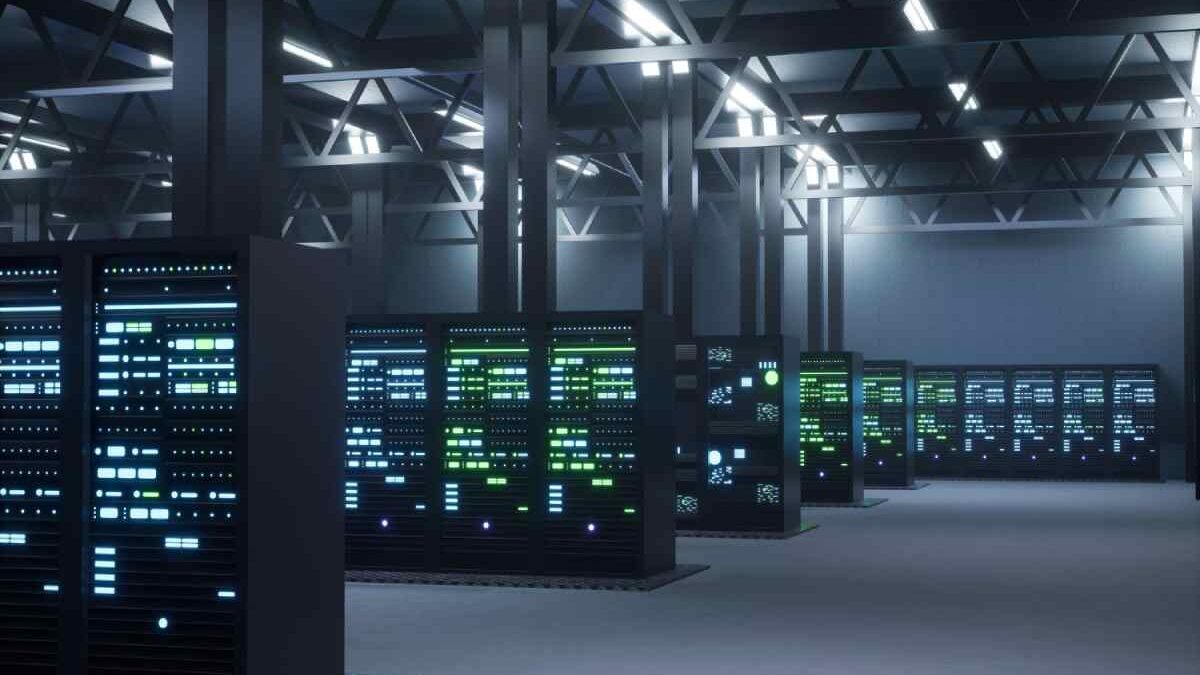
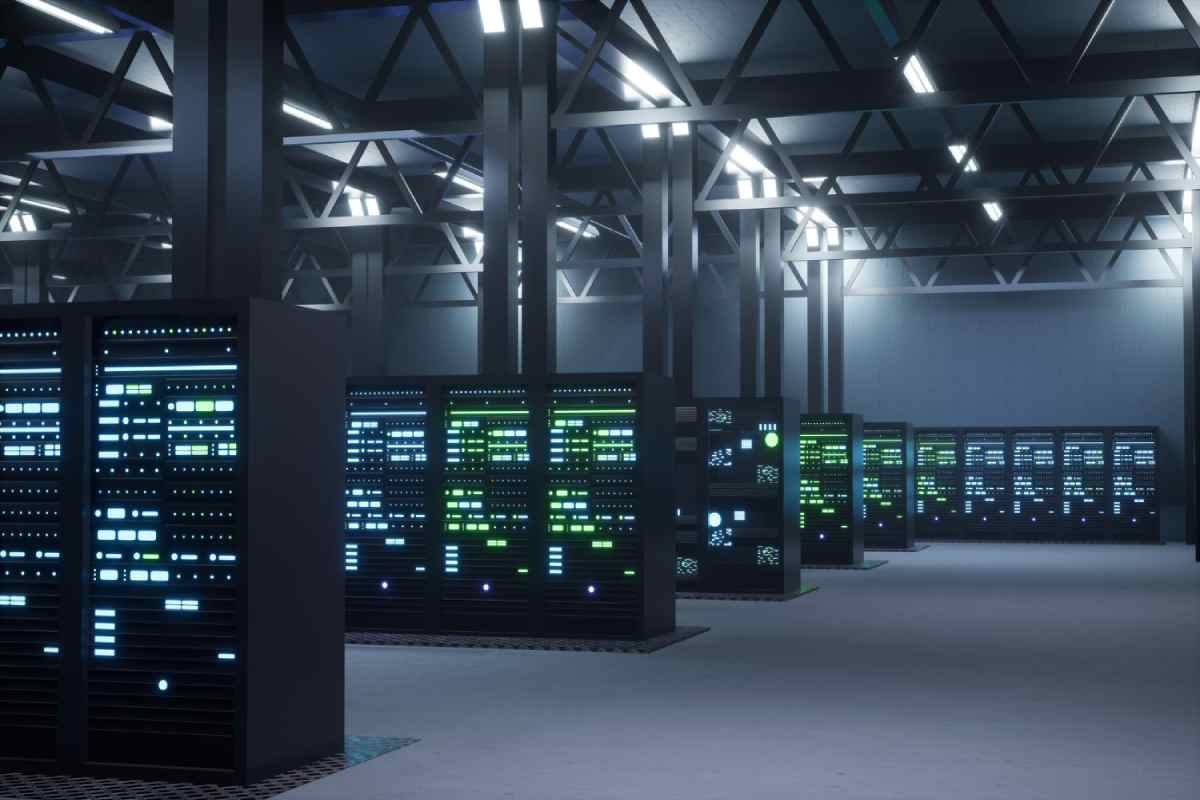
Artificial intelligence (AI) data center cooling is now a central challenge as next-generation workloads continue to push rack power density beyond traditional design limits. Specialized AI accelerators and densely packed compute units produce continuous thermal loads that legacy systems were not engineered to handle. These demands exceed the cooling capacity and physical limitations of the racks themselves.
In environments where heat buildup can affect uptime and personnel safety, material performance directly impacts operational efficiency and return on investment. Engineers are finding that outdated designs fail to scale under AI conditions, turning rack infrastructure into a strategic decision that shapes long-term performance and business value.
Table of Contents
Why AI Infrastructure Generates Extreme Heat
Modern AI infrastructure relies heavily on specialized accelerators and graphics processing units (GPUs), which increase thermal output. These components process massive amounts of data in parallel, often operating continuously for AI training and inference. Unlike traditional enterprise workloads that cycle on and off, AI operations produce a sustained heat profile. This constant strain pushes rack power densities beyond legacy thresholds. Even with air-conditioned server racks, heat management becomes a major design concern.
As systems become more compact, the risk of failure increases. A study found that thermal issues account for 55% of all failures in 3D stacked chips, where poor heat dissipation affects performance and component longevity. Traditional components were not designed for this level of intensity, and their materials struggle to handle the concentrated heat loads. Without upgraded materials and optimized designs, businesses face rising cooling demands and operational bottlenecks that hinder AI scalability.
Where Standard Rack Materials Start to Fail
AI data center cooling systems face new challenges as standard rack materials struggle under the demands of next-generation workloads. One major issue is heat retention and uneven thermal distribution, especially in racks not optimized for high-density deployments. These hot zones stress critical components and increase the risk of failure, even in temperature-controlled environments. Older racks were not built to manage the constant heat output of AI accelerators and GPU clusters.
Material fatigue can also occur under sustained high temperatures. Structural elements may warp or weaken over time, especially under the weight of heavy AI hardware. This added stress can lead to increased vibration and airflow disruption. Without design adjustments and upgraded materials, racks become a bottleneck and undermine the effectiveness of advanced AI data center cooling strategies.
How Air-Conditioned Server Racks Address AI Heat Loads
An air-conditioned server rack helps manage the intense heat loads from AI infrastructure. These enclosures provide localized cooling that targets high-density hardware directly, which reduces the burden on broader facility systems. When paired with racks made from materials with improved thermal conductivity, they enable faster heat dispersion and better protection for sensitive components. This approach prevents thermal imbalance, especially in environments where AI workloads run continuously at full power.
Structural design also matters. Heavier AI hardware demands racks with stronger frames that resist warping and vibration. Racks that support front-to-rear airflow and integrate with liquid cooling strategies enhance thermal performance. In addition to structural and thermal upgrades, electrical safety is also essential. Materials like fiberglass tape are used as critical insulation due to their nonconductive properties. This prevents arcing and maintains efficiency in high-voltage environments, which ensures the safe operation of dense AI compute stacks.
Business Risks of Ignoring AI Data Center Cooling
AI data center cooling inefficiencies strain systems and budgets. Overworked units run longer and consume more energy, which drives up operating costs. As rack densities increase, the stress on cooling systems rises, especially when outdated materials trap heat rather than disperse it. These high-heat environments also pose safety hazards, contributing to workplace injuries that cost businesses an average of 11 lost workdays per employee each year. The ripple effects reach beyond hardware rooms.
Thermal stress accelerates component wear, which leads to shortened hardware lifespans and potential warranty complications. Racks not built for modern loads limit how fast enterprises can scale AI operations, delaying innovation. Compliance and resilience also take a hit when cooling systems cannot maintain safe operating conditions. For organizations investing in long-term AI strategies, rethinking infrastructure is essential to making AI data center cooling safe and sustainable.
What IT Leaders Should Evaluate Before Scaling AI
Choosing the right rack materials is central to long-term AI infrastructure success. With global data center capacity expected to grow by 177% by 2030, thermal and structural readiness must scale alongside demand. Air-conditioned server racks are emerging as vital components, providing active cooling support while offering compatibility with liquid and hybrid systems designed for high-density environments. Thermal ratings and material specifications should be reviewed carefully to ensure racks can handle the sustained loads AI hardware generates.
Planning for long-term scalability requires strategic alignment across departments. Facilities and procurement teams must work together to assess rack durability and cooling flexibility. Racks that can support AI deployments will reduce retrofitting costs and help accelerate rollout timelines. An air-conditioned server rack with future-focused materials and integrated cooling options lays the foundation for efficient and high-performing AI environments.
Rack Materials Are Now a Strategic Decision
AI heat loads demand a new approach to infrastructure planning. Advanced rack materials improve AI data center cooling efficiency, enabling higher density deployments without compromising safety or performance. Proactive planning around these materials helps businesses scale confidently as AI adoption accelerates.