
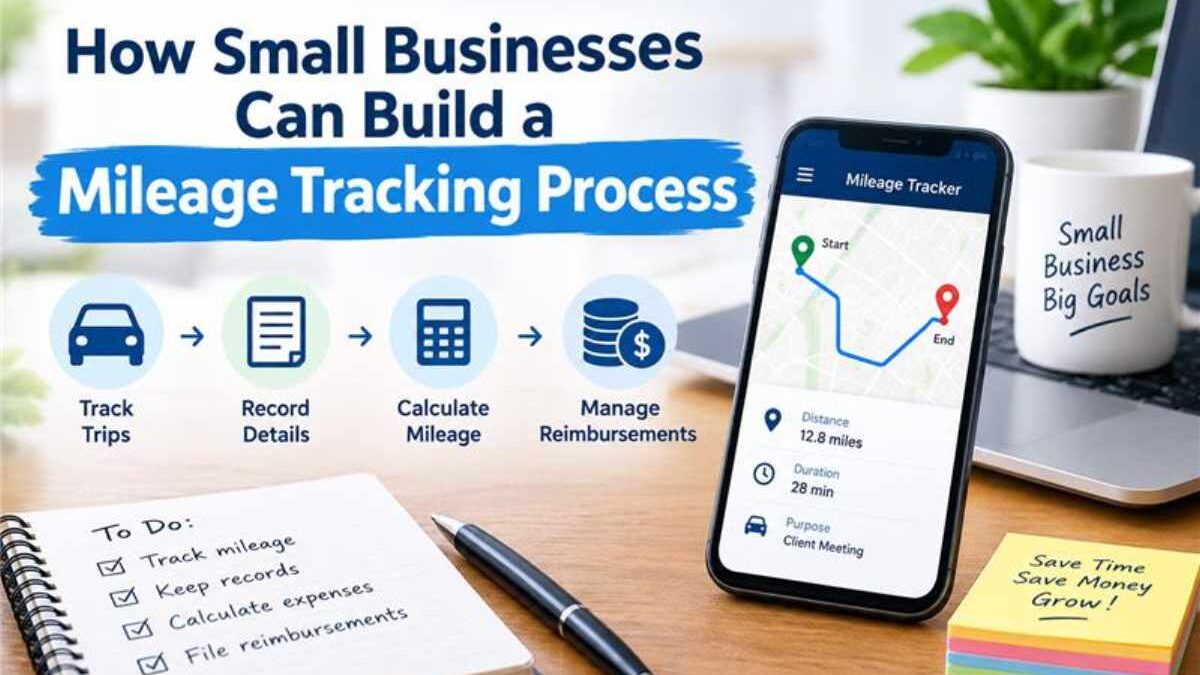
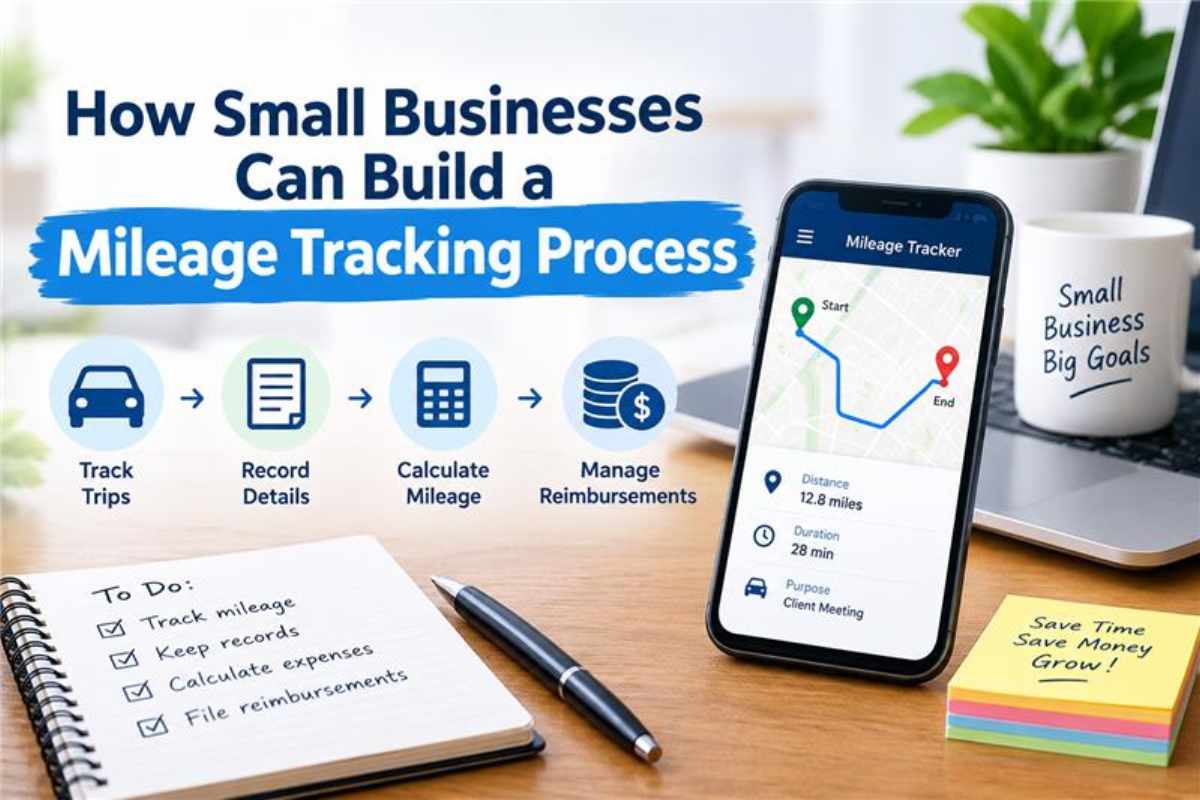
A service-based business has six employees driving to client sites, picking up supplies, and moving between locations. By Friday, several trips are unaccounted for, and someone assigns a ’round-off’ figure as the estimated cost. Similarly, another employee submits fuel receipts without any business purpose.
Now, in a scenario like this, nothing looks ‘out-of-place’ until reimbursement figures start drifting from the budget or a tax compliance issue lands on the owner’s desk.
This is where a mileage tracking system can help them. It is critical operational data, and treating it otherwise creates avoidable gaps that bring unavoidable circumstances.
Table of Contents
Start With One Recording Method
The first decision around mileage tracking for small business isn’t which app has the longest feature list. It’s where the official record will live.
Some teams can manage with a shared spreadsheet. That’s reasonable when perhaps two people drive a few times each month. Once several vehicles, technicians, sales representatives, or delivery routes enter the picture, manual logs become harder to police, and that’s why automatic trip detection may then justify its monthly cost.
Whichever method you choose, each entry should capture:
- Trip date and miles driven
- Starting point and destination
- A specific business purpose, such as “equipment inspection at client site”
- The employee, vehicle, or project connected to the trip
- Notes for tolls, parking, or unusual route changes
‘Client visit’ may feel adequate while the trip is fresh. Eight months later, it says very little.
Separate Business Travel from Commuting
Where does a business trip actually begin? Now, this is a critical question because a lot of confusion arises from here.
Driving from your house to the office is your regular commute and isn’t business mileage.
However, when you travel between work locations, client offices, temporary job sites, or supplier facilities, then the narrative changes.
That’s why facts matter in this discussion: edge cases aren’t always clean. And you need to write those distinctions into a short mileage policy. Don’t leave employees to interpret them after every drive.
The policy should also answer practical questions. Can someone claim a detour to collect materials? What happens if they mix personal errands into the route? Are tolls submitted inside the mileage report or through the expense system?
There’s a fair case for allowing managers some judgment. Too much discretion, though, produces five versions of the same rule.
Review Exceptions Instead of Every Trip
A manager shouldn’t spend Friday afternoon checking 70 routine journeys line by line. Instead, they should build an exception queue to do this.
Here, they can focus on flagging entries with missing purposes, duplicate routes, unusually high mileage, weekend travel, or repeated round numbers. Review those, and leave ordinary, well-documented trips alone.
Also, monthly checks work better than an annual cleanup because people still remember where they went. Waiting until tax season turns the process into detective work, usually with calendar searches, old invoices, and a fair amount of guessing.
Connect Mileage Data to the Rest of the Business
Mileage doesn’t belong in an isolated file. Link it with payroll, expense reimbursement, project costing, or accounting records where possible.
That connection can expose useful patterns. For instance, a contract may look profitable until you assign recurring site travel to it, or one territory might consume far more driving time than another. Similarly, a field employee’s route could also signal poor scheduling rather than excessive claims.
Integration carries a trade-off as well. More connected systems mean more setup, permissions, and sensitive location data to protect. Therefore, smaller firms shouldn’t buy a complicated platform merely to avoid maintaining a disciplined spreadsheet.
Make the Record Defensible
A workable mileage process doesn’t need to feel elaborate. It needs clear ownership, timely entries, consistent trip details, and a review habit that catches odd claims without slowing everyone down.
Set the rules before expenses arrive. Revisit them when the team, vehicle count, or service area changes. If records can’t explain where someone drove and why, the problem isn’t the mileage total. It’s the process behind it.