
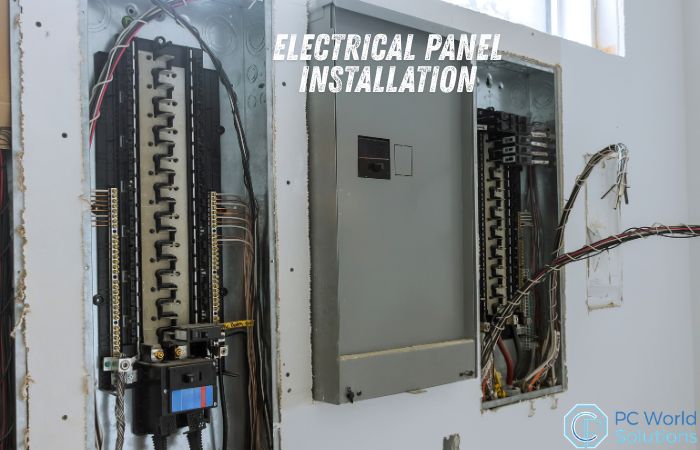
How to Prepare for an Electrical Panel Installation Project
Most homeowners don’t wake up excited about electrical panel installation.
This is not a “dream renovation” category. No one pins breaker box inspiration boards.
And yet, when it’s time for a panel upgrade or replacement, preparation matters more than many people realize.
Because done right, an electrical panel installation can improve safety, support growing energy demands, and set a property up for years of reliable performance.
Done poorly, or approached casually, it can become complicated fast. Electricity has opinions. Strong ones.
So if an installation project is on the horizon, here’s how to prepare before the work begins.
Table of Contents
Start by Understanding Why the Installation Is Happening
This sounds obvious. It isn’t.
Different installation projects have different goals.
Are you replacing an outdated panel? Upgrading service capacity? Adding room for a renovation, EV charger, or major appliance?
Correctly defining the reason behind the project helps shape the scope of work. And scope drives everything.
Sometimes electrical panel installation is about solving a problem. Sometimes it’s about planning ahead. Often both. Knowing which matters.
Schedule a Professional Evaluation
Before any work begins, a licensed electrician should assess the existing system.
This evaluation may help identify:
- Current panel capacity
- Existing code concerns
- Load demands
- Condition of breakers and wiring
- Whether a service upgrade is needed
- Opportunities to future-proof the system
This step often reveals things homeowners weren’t expecting.
Sometimes pleasantly. Sometimes… educationally.
Older homes especially tend to hold surprises. And surprises behind walls are rarely cheap.
Think About Future Electrical Needs
This is where people often under-plan. Big mistake.
If the panel is being upgraded, it may make sense to account for future demands, such as:
- Electric vehicle charging
- Home additions
- HVAC upgrades
- Workshop equipment
- Solar integration
- Smart home systems
Installing for today’s needs alone can sometimes create tomorrow’s limitations.
And nobody loves paying twice for infrastructure. A little planning now can save a lot later.
Prepare for Temporary Power Interruptions
Important practical note:
Power may be shut off during installation. Possibly for several hours. Possibly longer depending on project complexity. Plan accordingly.
That may mean:
- Charging devices in advance
- Saving computer work
- Adjusting remote work schedules
- Preparing for refrigeration concerns if outages are extended
- Making accommodations for medical equipment if needed
Seems basic. Easy to overlook.
Especially until Wi-Fi dies mid-meeting. Then it feels very urgent.
Clear Access to the Work Area
This helps both safety and efficiency.
Make sure the electrician has unobstructed access to the electrical panel and surrounding workspace.
Move:
- Storage items
- Shelving obstacles
- Furniture
- Tools or household clutter
And yes, this includes the mysterious stack of paint cans everyone has near utility walls. You know the one.
Clear access can help the work move faster and more safely. Simple win.
Review Components and Replacement Options
Depending on the project, your electrician may discuss panel brands, breakers, and compatible components.
This is worth paying attention to. Quality components matter.
Reliable breakers and properly matched equipment play a major role in long-term performance. Trusted resources such as Verified Breakers can help support sourcing needs for contractors and property owners evaluating replacement or upgrade components during electrical panel installation projects.
Because in electrical work, shortcuts tend to have expensive personalities.
Understand Permit and Inspection Requirements
Many electrical panel installations involve permits and inspections. As they should.
Depending on the project, your electrician may coordinate this, but it’s smart to understand:
- What permits are required
- Whether utility coordination is needed
- Inspection timing
- Any scheduling impacts related to approvals
Permits can feel like bureaucratic friction. They’re also part of ensuring work is done safely and to code. Useful tradeoff.
Ask Questions Before Installation Day
Don’t treat the project like a mystery.
Ask things. Lots of things.
For example:
How long will the project take?
Will service capacity increase?
Will there be future expansion room?
Are any wiring upgrades recommended?
What maintenance should be expected afterward?
Good contractors welcome informed questions. And informed homeowners tend to make better long-term decisions. Funny how that works.
Final Thought
Preparing for an electrical panel installation project isn’t just about getting ready for contractors to arrive.
It’s about making sure the upgrade actually serves your needs, today and down the road.
A little planning around access, future demand, quality components, and project logistics can make the process smoother and the outcome stronger.
Because electrical panel installation may not be glamorous. But reliable power? Very glamorous when it matters.