
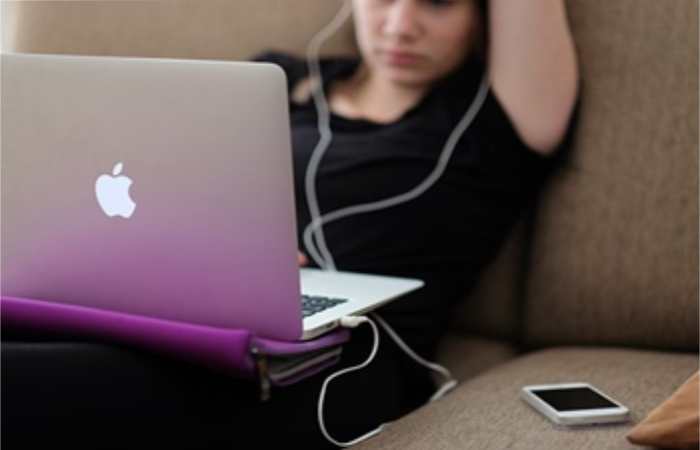
Working from home offers flexibility, saves commuting time and allows employees to manage their daily schedules more conveniently. However, spending long hours at a desk can affect physical activity, energy levels and overall wellbeing. Without a proper routine, it can become easy to develop unhealthy habits, such as sitting for extended periods, skipping meals or working beyond regular hours.
Maintaining a healthy lifestyle while working remotely does not require complicated fitness plans. Simple activities, regular breaks, balanced meals and sufficient sleep can make a meaningful difference. In this guide, we explore six practical ways to stay fit and lively while working from home, along with tips for creating a healthier and more productive remote-working routine.
Table of Contents
6 Ways to Stay Fit and Lively While Working from Home
Working from home provides an opportunity to build healthier habits around your professional responsibilities. By making small changes to your daily schedule, you can improve your physical activity, maintain energy levels and create a more comfortable working environment.
1. Create a Dedicated Workspace
A dedicated workspace helps separate professional responsibilities from personal activities. Working from your bed or sofa might feel comfortable initially, but it can make it harder to maintain concentration and proper posture.
Choose a quiet area in your home where you can work without unnecessary distractions. If possible, use a desk and an adjustable chair that support a comfortable sitting position. Keep essential items such as your laptop, notebook, water bottle and stationery within easy reach.
A well-organised workspace can also improve your daily routine. Getting ready and moving to your designated work area creates a clear distinction between work time and personal time.
Organisations can also improve employee experiences through better workplace practices. Explore frontline employee engagement to understand how communication, involvement and employee support contribute to a positive working environment.
2. Take Regular Breaks
Sitting continuously for several hours can cause tiredness, stiffness and reduced concentration. Taking short breaks throughout the day gives your body an opportunity to move and helps refresh your mind.
Try standing up every 30 to 60 minutes. You can walk around your home, stretch your shoulders, move your legs or simply step away from your computer for a few minutes.
Here are some simple ways to make breaks part of your routine:
- Walk around your home between tasks.
- Stretch your arms, shoulders and back.
- Look away from your screen regularly.
- Refill your water bottle.
- Take a short break after completing demanding tasks.
Digital tools can make remote work easier by supporting communication and collaboration. Businesses can learn more about embracing digital transformation to understand how modern technology supports flexible working arrangements and digital operations.
3. Exercise Regularly
Regular physical activity is one of the most effective ways to maintain fitness while working from home. You do not necessarily need a gym membership or expensive equipment. Simple exercises can help you stay active throughout the day.
Choose activities that fit your schedule and fitness level. For example, you could walk for 20 to 30 minutes, practise yoga, perform bodyweight exercises or follow a short home workout.
Some useful activities include:
- Walking: Take a walk before work or during your lunch break.
- Stretching: Perform gentle stretches to reduce stiffness.
- Yoga: Practise simple yoga movements to improve flexibility and relaxation.
- Strength training: Try squats, wall push-ups and other bodyweight exercises.
- Desk exercises: Perform gentle shoulder rolls and seated leg movements.
Start with manageable sessions and gradually increase your activity according to your comfort and ability. Consistency is more important than attempting intense workouts occasionally.
4. Maintain a Balanced Diet
Eating a balanced diet helps provide the nutrients your body needs to maintain energy and support overall health. When working from home, it can be tempting to snack frequently or skip meals because of a busy schedule.
Plan your meals in advance and include a variety of nutritious foods. Fresh fruits, vegetables, whole grains, lean proteins, nuts and seeds can all contribute to a balanced eating pattern.
Consider these simple dietary habits:
- Eat regular meals rather than skipping breakfast or lunch.
- Include vegetables and fruits in your daily meals.
- Choose whole grains such as oats and brown rice.
- Include protein sources such as beans, lentils, eggs or fish.
- Keep healthy snacks available.
- Drink enough water throughout the day.
Try to avoid eating meals directly in front of your computer whenever possible. Taking a proper lunch break can help you enjoy your food without losing focus on your wellbeing.
5. Maintain a Healthy Work-Life Balance
One challenge of remote working is that professional and personal responsibilities can overlap. Without a clear schedule, employees may continue working beyond their normal hours, which can increase stress and reduce time for personal activities.
Set a consistent starting and finishing time for your workday. Create a task list, prioritise important responsibilities and avoid checking work messages continuously after working hours.
Employers can also support remote employees by providing clear expectations, regular communication and opportunities for professional development. A structured approach to developing a career plan for your employee can help organisations connect employee goals with long-term business objectives.
Maintaining a healthy work-life balance also means making time for family, hobbies, exercise and relaxation.
6. Get Enough Sleep
Sleep plays an important role in physical recovery, concentration and emotional wellbeing. Insufficient sleep can make it difficult to focus on work and maintain energy throughout the day.
Most adults need at least seven hours of sleep each night, although individual requirements can vary. Establishing a consistent bedtime and wake-up schedule can help improve sleep habits.
Follow these practical suggestions:
- Avoid using electronic screens immediately before bedtime.
- Keep your bedroom comfortable and quiet.
- Avoid consuming caffeine late in the day.
- Follow a consistent sleep schedule.
- Give yourself enough time to relax before sleeping.
Good sleep habits can help you feel more refreshed and prepared for the next working day. Employers can also support employee wellbeing through a thoughtful employee engagement strategy that encourages communication, recognition and a supportive workplace culture.
How Technology Supports Healthy Remote Working
Technology has made it easier for employees to complete professional tasks from different locations. Video meetings, cloud-based platforms, project management software and communication tools help teams stay connected without being physically present in an office.
However, organisations should also consider how technology affects employees’ daily routines. Too many online meetings, constant notifications and extended screen time can make remote working tiring.
Businesses can improve their operations by adopting suitable digital systems and reviewing their working processes. At the same time, employees should take regular screen breaks, maintain realistic schedules and avoid unnecessary digital distractions.
Unexpected business disruptions can also affect remote operations. Understanding issues such as supply chain shortages can help businesses recognise the wider operational challenges that may influence their work arrangements.
Conclusion
Staying fit and lively while working from home is possible with a few consistent lifestyle changes. Creating a dedicated workspace, taking regular breaks, exercising, eating balanced meals, maintaining work-life balance and getting enough sleep can support overall wellbeing.
Remote working offers flexibility, but maintaining healthy habits requires planning and discipline. Start with small improvements and build a routine that suits your responsibilities and lifestyle. By giving equal importance to physical health, mental wellbeing and professional commitments, you can make working from home a healthier and more productive experience.