
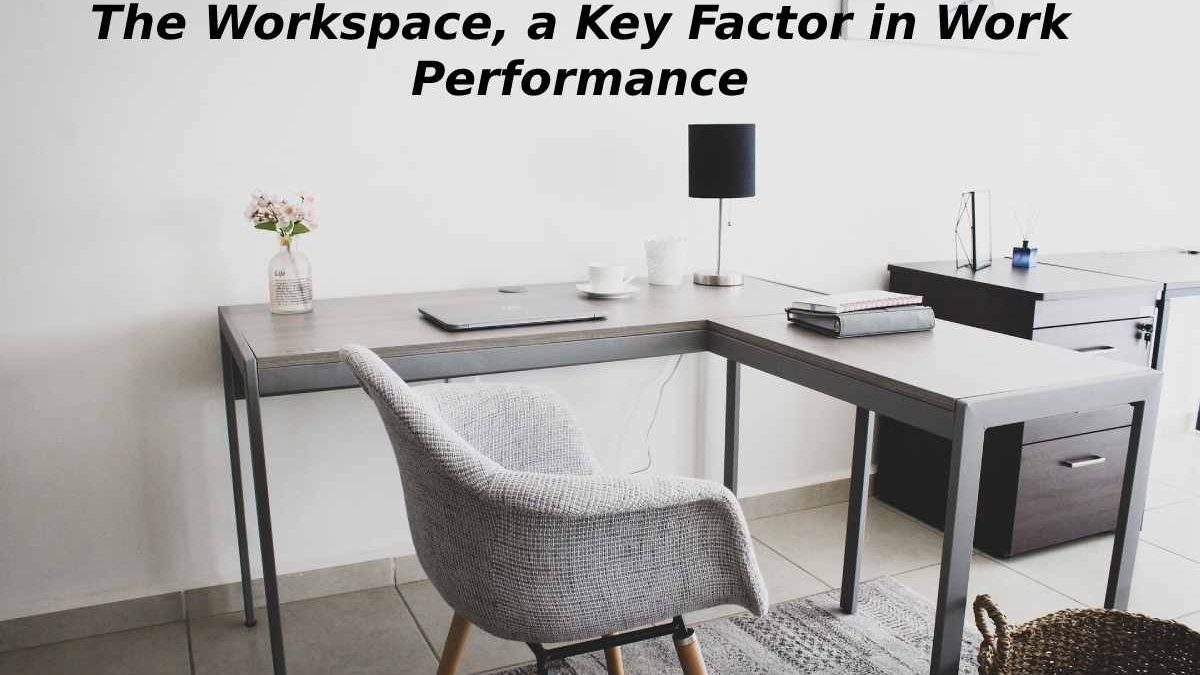
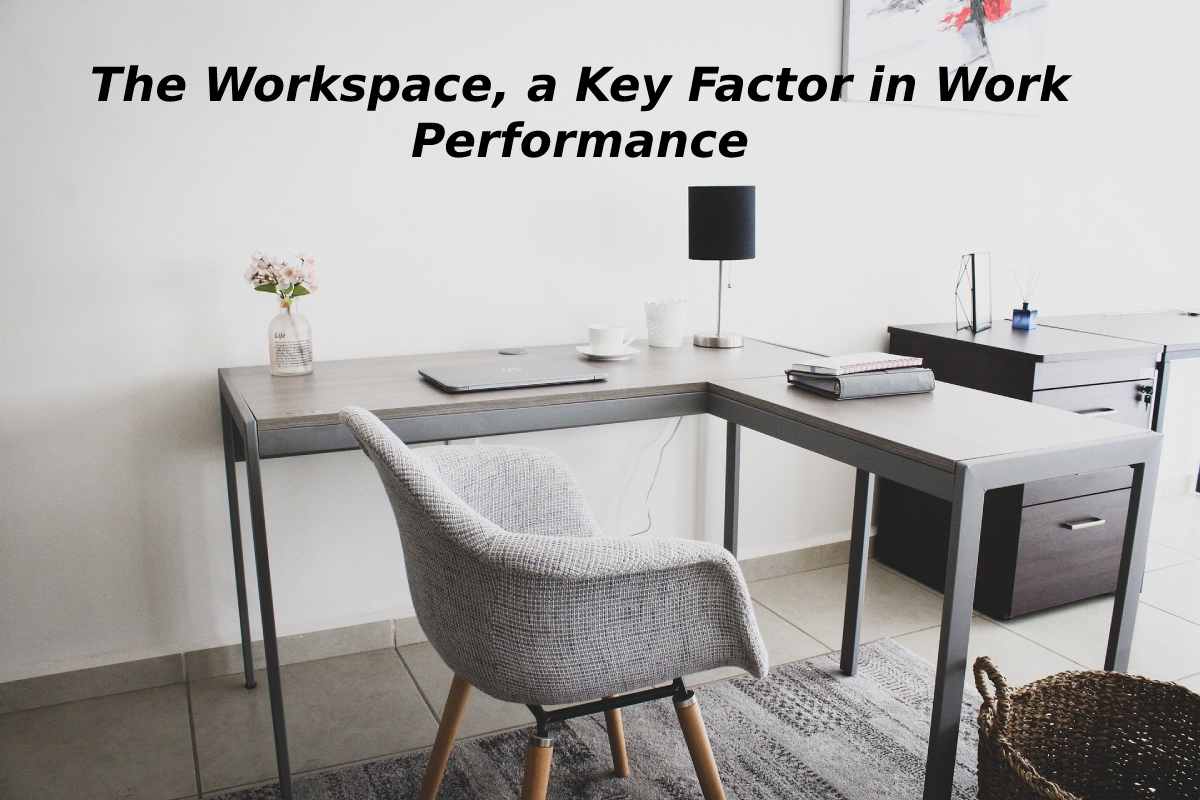
The workspace is a crucial element for making production effective and efficient. In addition to valuing career progression, organisational culture, and technology, employees also give great importance to the physical space where they spend most of their working day.
Most employees spend 40 hours a week at their jobs. It makes it essential that this space is pleasant, comfortable, and adapted to the functions and tasks carried out in it. The office must be a place of inspiration, which invites communication and collaboration, essential elements to improve productivity.
According to a study by Ipsos, Spaniards are among the most dissatisfied with their work environment. The reasons they cite are stress, the difficulty they have in concentrating, the fact that there is no possibility of telecommuting, and the lack of privacy when working mainly in open spaces.
The workspace is the second factor, after salary, in determining a worker’s satisfaction. And if a worker is satisfied, they will perform better, and it will translate into a better work environment, an objective of every employer.
Table of Contents
The Keys So That the Workspace Is the Right One
Work environments must contribute to improving the worker’s physical, cognitive, and emotional well-being. Therefore, it is necessary to take care of the appearance of the office and make it a pleasant and comfortable environment. In this way, employees can become more productive, creative, and innovative.
Here are the keys to making the workspace suitable:
Distribution
The design of the office must consider the comfort of the workers, facilitating movement between the different designated spaces without obstacles. It will make the office look neat and clean, one of the keys to concentrating and finding what you are looking for without unnecessary distractions.
Office Use
An account executive does not have the exact needs as a computer scientist. An office must be appropriate to the work and activity carried out. Functionality must prevail, organising the office space around the tasks and team dynamics involved.
Allocation of Spaces
A well-designed work environment will provide different spaces to facilitate carrying out various tasks throughout the day. In this sense, it must have an open space since these areas favour collaboration, transparency, and communication. But it should also include some closed or private rooms, which support concentration and help ensure meetings are not continuously interrupted. In this way, users of the space can choose one environment or another depending on the type of activity they carry out.
Communication Flow
Every office must have rest spaces where employees can go to disconnect. It can be a corner where a coffee or snack machine is located, along with comfortable sofas. These spaces are essential within the company, as they promote informal conversations and a feeling of belonging to a group.
Illumination
When working, lighting plays a fundamental role. The best option is natural light. Offices should have large windows through which daylight enters, reducing the need for artificial lighting. Workers’ eyesight will appreciate it, and natural light can also be a source of energy and optimism.
Company Culture
If company rules allow it, each worker could decorate their desk with a personal item or plant. These details make the place more pleasant and personalise the workspace. A positive company culture also depends on effective business management, which helps organisations create an environment where employees feel supported and valued.
What Does Witland Business Center Do to Create an Ideal Work Environment?
Witland Business Center offers different offices and workspaces, all of them customisable and adaptable to the characteristics of each company. We believe that each business should find its space and adapt it to its needs. The greater the worker’s ability to choose their position and work environment, the greater their satisfaction, resulting in increased productivity. For this reason, we leave absolute freedom in the conditioning of the offices.
Flexible workspaces can also be useful for growing businesses and new ventures. A business incubator can provide startups with access to working facilities, professional support, and opportunities to connect with other entrepreneurs.
The Importance of the Workspace
The Importance Of The Workspace
Technology, design, and innovation come together to shape our workplace. With an aesthetic increasingly far from traditional office layouts, large, medium, and small companies seek to be up to date when offering their employees an optimal and efficient workplace.
No one thinks that the space where we carry out our work does not influence its quality, and therefore the effort to be creative and look for attractive areas is already necessary. A good workspace will reduce stress and increase productivity, but beyond this, it contributes to well-being and happiness at work.
Conclusion
Furniture, in general, takes on an essential role in creating harmonious and friendly spaces. To improve the area, we can add natural light, colours depending on what we want to convey, music, attractive views, or even elements of nature. But the key is in a good design of the space, which allows taking advantage of the available area in the best way, creating small or large spaces that enable employee mobility and give them the option to have both a place to share with their colleagues, to meet in private, or to reflect alone.
In the work area, the choice of an ergonomic chair is essential. Still, we must consider that we are probably not facing positions in which the eight working hours are spent seated in the same place, something that will depend on each type of organisation and its purposes. A well-designed workspace can support everyone, from administrative staff to a customer-facing salesperson, by providing an environment that encourages concentration, communication, and productivity.